
For any business moving cargo across international markets, one of the first decisions in the shipping process is choosing between sea freight and air freight. Both are core Freight Forwarding solutions, but they serve very different needs. Understanding how each works helps you make a decision based on your cargo, timeline, and budget rather than guesswork.
How Sea Freight Works (and When It Makes Sense)
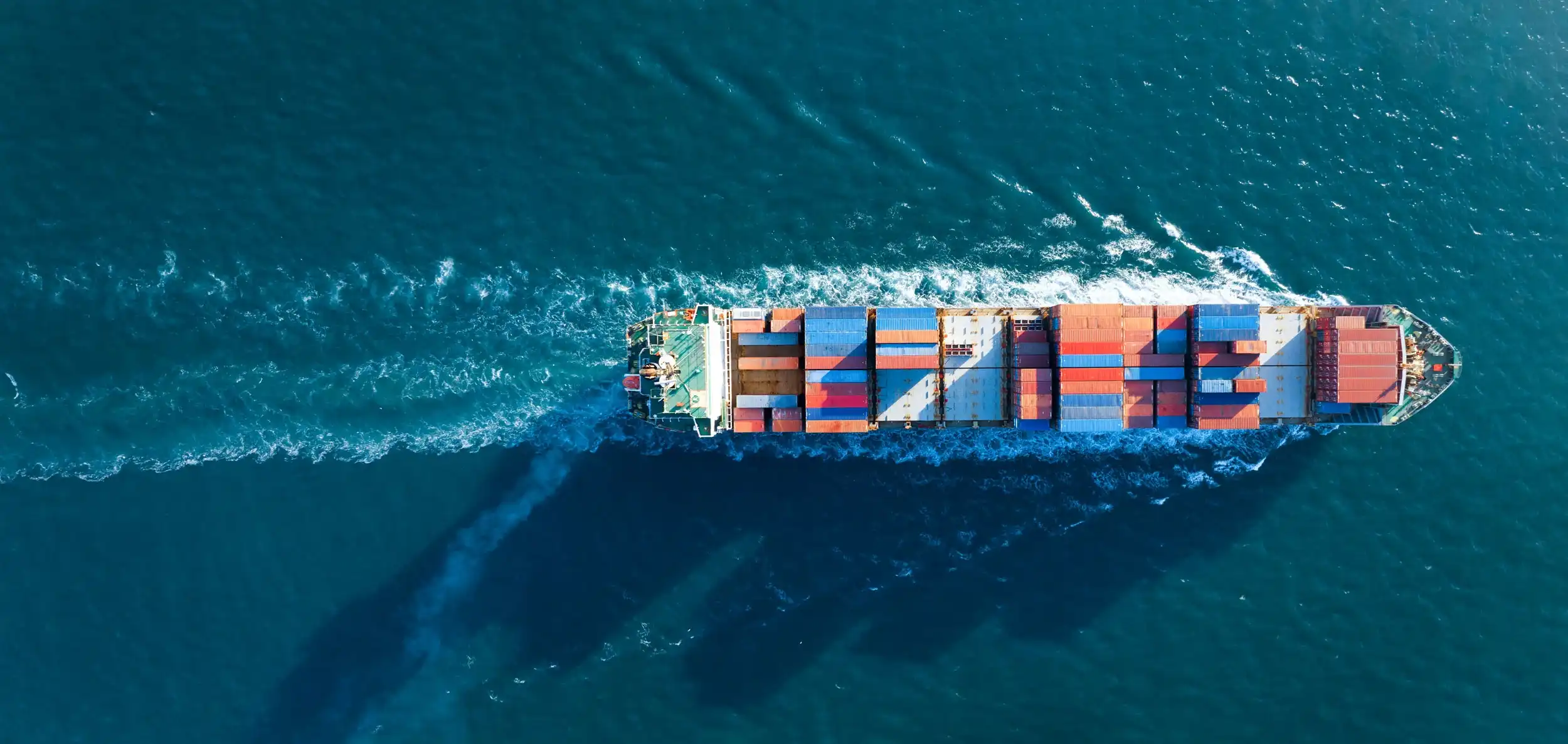
Sea freight remains the backbone of global trade, particularly for high-volume or heavy shipments. Cargo moves in standardized containers, either as a full container load (FCL) or shared with other shipments through cargo consolidation. Because vessels carry far more volume than aircraft, sea freight is typically the most cost-effective option for large or non-urgent shipments, even though transit times are measured in weeks rather than days.
How Air Freight Works (and When It Makes Sense)
Air freight trades cost for speed. Cargo that needs to reach its destination within days rather than weeks — time-sensitive goods, high-value items, or urgent replenishment stock — is better suited to air transportation. It also tends to involve simpler handling for smaller shipments, since air cargo is generally lighter and less bulky than typical sea freight consignments.
Key Factors to Compare: Cost, Transit Time, and Cargo Type
- Cost: Sea freight is generally more economical per unit of volume, especially for large shipments.
- Transit time: Air freight moves in days; sea freight typically takes weeks depending on the route.
- Cargo type: Heavy, bulky, or non-urgent cargo tends to suit sea freight, while urgent, lightweight, or high-value cargo often favors air freight.
- Reliability of schedule: Both modes are schedule-dependent, but air freight offers more frequent departure options on major routes.
Can You Combine Both? Multimodal Solutions
Many shipments don’t fit neatly into one category. A business might use sea freight for the bulk of its inventory and air freight for urgent top-up stock, or combine transportation modes across a single supply chain. This is where multimodal coordination becomes valuable — connecting different transportation modes so a shipment moves through the most practical combination of routes rather than being locked into a single method.
There is no universally “better” option between sea and air freight — only the option that fits your specific shipment. PEX Logistics helps businesses assess their cargo requirements and coordinate the right Freight Forwarding solution, whether that means Sea Freight, Air Freight, or a combination of both. Explore our Freight Forwarding services or get in touch to discuss your shipment.