
Not every shipment is large enough to fill a full container, and that’s exactly the problem cargo consolidation solves. For small and medium businesses shipping smaller volumes, understanding how consolidation works can make the difference between an efficient supply chain and one that pays for space it doesn’t need.
What Is Cargo Consolidation?
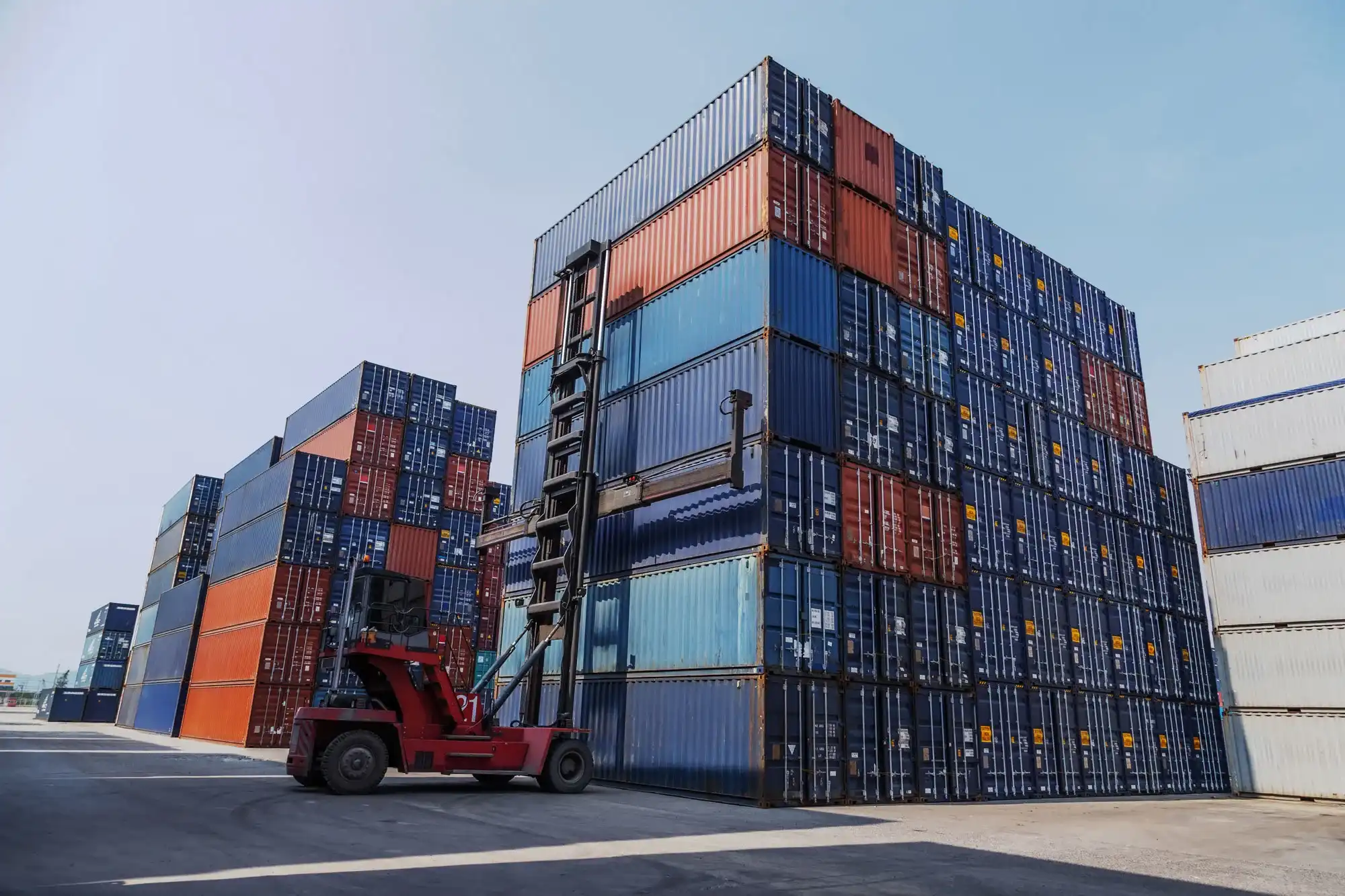
Cargo consolidation combines multiple shipments from different businesses into a single container. Instead of paying for an entire container you don’t fully need, your cargo shares space — and cost — with other shipments heading to a similar destination. The freight forwarder coordinates the grouping, documentation, and eventual deconsolidation at the destination port.
LCL vs FCL: What’s the Difference?
LCL (Less than Container Load) means your cargo shares a container with other shipments. FCL (Full Container Load) means you book and use an entire container exclusively for your own cargo. FCL makes sense once your shipment volume is large enough to justify a full container; LCL makes sense when it isn’t — which is often the case for growing SMEs still scaling their order volumes.
Benefits of Consolidation for Growing Businesses
- Lower cost per shipment — you only pay for the space your cargo actually uses.
- More frequent shipping options — you don’t need to wait until you have enough cargo to fill a full container.
- Flexibility as your volumes grow — you can shift from LCL to FCL as your shipment sizes increase.
- Reduced storage pressure — smaller, more frequent shipments can mean less inventory sitting in a warehouse at once.
What to Consider Before Choosing LCL
Consolidated shipments typically take slightly longer than FCL, since cargo needs to be grouped and later separated at destination. Packaging also matters more in LCL shipments, since your cargo will be handled alongside goods from other shippers. Working with a forwarder who plans this coordination carefully helps avoid delays or handling issues.
PEX Logistics coordinates Cargo Consolidation as part of its regular Freight Forwarding solutions, helping businesses move smaller shipments without paying for space they don’t need. See how our Cargo Consolidation service works or request a quote for your next shipment.